
Software & App Development · Jan 07, 2026

Outgrowing Excel: Why Kenyan SMEs are Switching to Custom Laravel ERPs in 2026
Introduction: The "Excel Trap"
For many businesses in Nanyuki, Meru, and Nairobi, Microsoft Excel has been the silent engine of growth. It’s free, familiar, and flexible. But as we head into 2026, many Kenyan SMEs are hitting a "digital ceiling."
When your business grows from 5 employees to 25, or your inventory moves from a single store to multiple locations, Excel stops being a tool and starts becoming a risk. Data gets deleted by accident, files don't sync, and generating a simple VAT report for the KRA becomes a weekend-long headache.
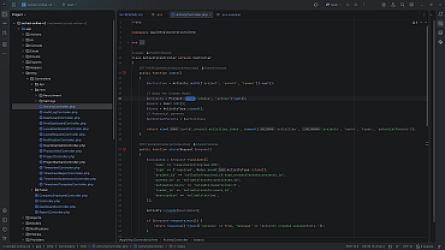
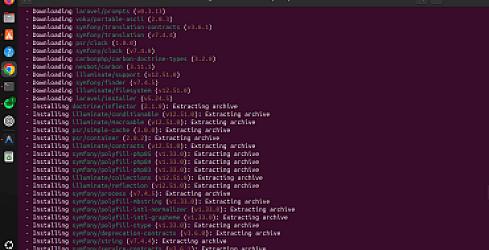
At Eelam Innovations, we are seeing a massive shift. Local businesses are moving away from generic spreadsheets and towards Custom ERP (Enterprise Resource Planning) systems built on modern frameworks like Laravel 12.
The Problem with "Off-the-Shelf" Software
You might ask, "Why not just buy a ready-made international software?" While platforms like SAP or Oracle are powerful, they often come with two major "Kenyan" hurdles:
- The Cost: Pricing is often in USD, which fluctuates and can be prohibitively expensive for a growing local company.
- The "KRA Gap": International tools often don't account for specific Kenyan tax laws (like ETR/eTIMS integration) or local payment habits (like M-Pesa reconciliation).
Why Laravel 12 is the "Secret Weapon" for Kenyan ERPs
Building your business system on Laravel 12 offers a unique balance of speed, security, and local customization.
1. Built for M-Pesa & eTIMS
Unlike generic software, a custom Laravel system developed by Eelam Innovations can be built with native hooks into Safaricom’s Daraja API and KRA’s eTIMS. This means your invoices are tax-compliant and your payments are reconciled automatically the moment a customer pays.
2. Scalability (Grow as You Go)
Laravel is modular. You don’t have to build a giant system on day one. You can start with an Inventory Module, then add Payroll six months later, and eventually integrate CRM (Customer Relationship Management) as your sales team grows.
3. Data Sovereignty & Security
In 2026, data privacy is no longer optional in Kenya. With a custom build, you own your data. You decide where it is hosted (locally in Kenya for lower latency) and who has access to it.
Real-World Example: The "All-in-One" Dashboard
Imagine opening your laptop in the morning and seeing one screen that shows:
- Live Sales: Total revenue across all branches.
- Stock Alerts: Which items are running low.
- Employee Attendance: Who clocked in via the mobile app.
- Cash Flow: How much money is in the bank vs. pending invoices.
Conclusion: Digital Transformation is Local
The leap from a spreadsheet to a custom ERP is the moment a "small business" starts acting like an "enterprise." It’s about working on your business instead of in it.
At Eelam Innovations, we specialize in building the digital backbone that Kenyan companies need to compete in 2026.
Is your business ready to break free from Excel? Book a free system audit with us today.